

MedDoctors are a Medical and Health Department Provider Institutions. Suitable For Healthcare, Medical, Doctor, Dental, Dentist, Pharmacy, Health and any Related Medical Care Field.
14D Street Brooklyn,
New York.

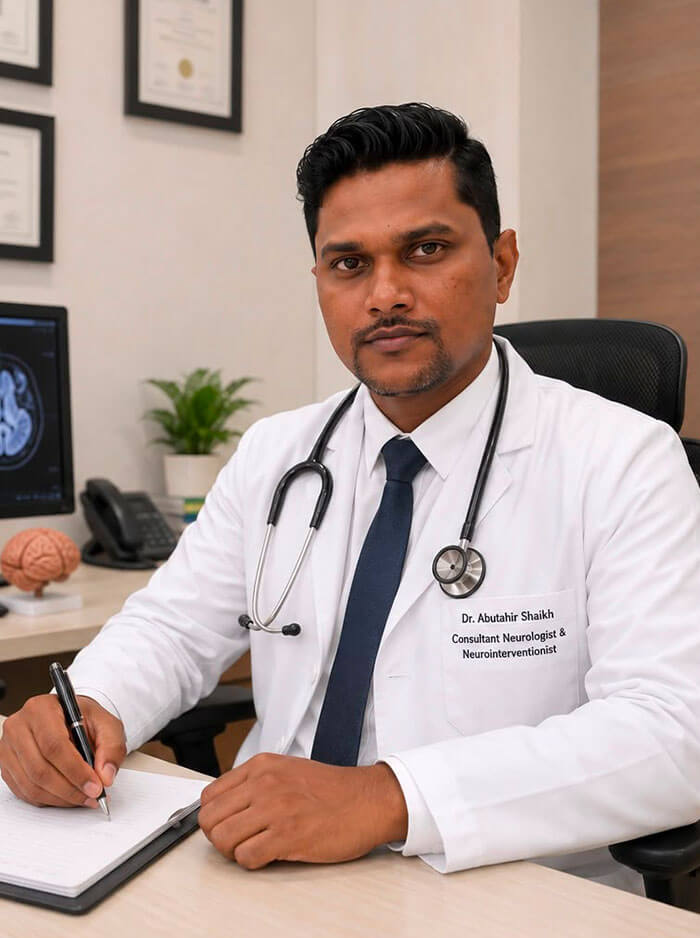
MBBS (KEMH), MD Medicine (LTMMC)
DM Neurology (AIMS, New Delhi), FINR (Stroke & Neurointervention)
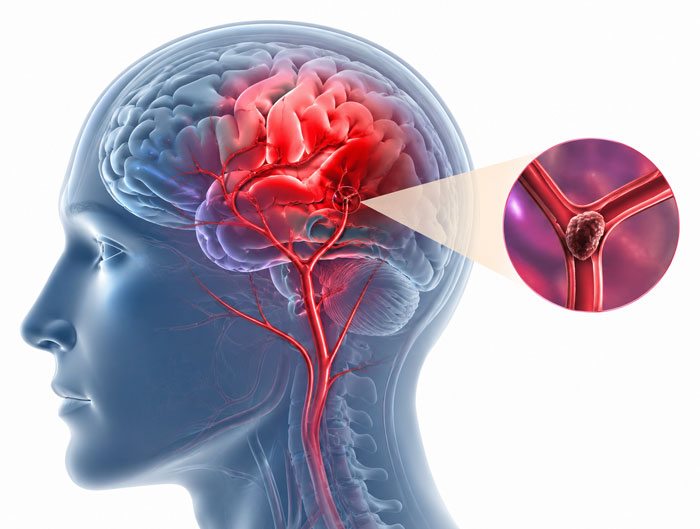
A stroke is a medical emergency that happens when blood flow to part of the brain is blocked or when a blood vessel in the brain bursts. When the brain does not receive enough oxygen and nutrients, brain cells can start dying within minutes. This is why stroke requires immediate medical attention. Recognizing the warning signs and getting emergency treatment quickly can help reduce brain damage, prevent complications, and improve recovery.
Dr. Abutahir Shaikh specializes in stroke diagnosis, emergency stroke treatment, and long-term stroke care. He provides comprehensive treatment for different types of stroke, including advanced neuroimaging, thrombolysis, mechanical thrombectomy, and other minimally invasive neurointerventional procedures.
A stroke occurs when the blood supply to the brain is interrupted or a blood vessel in the brain ruptures. Without enough oxygen and nutrients, brain cells can become damaged quickly. There are two main types of stroke:
Ischemic Stroke: This is the most common type of stroke and occurs when a blood clot blocks an artery supplying blood to the brain.
Hemorrhagic Stroke: This occurs when a blood vessel in the brain ruptures and causes bleeding in or around the brain.
A Transient Ischemic Attack (TIA), also known as a mini-stroke, occurs when blood flow to the brain is temporarily interrupted. Although the symptoms may go away, a TIA can be an important warning sign of a future stroke and should not be ignored.
Stroke symptoms usually appear suddenly. Knowing the warning signs can help you seek emergency treatment without delay. Common stroke symptoms include:
If any of these symptoms appear suddenly, seek emergency medical care immediately. Early stroke treatment can be critical for protecting brain function and reducing the risk of permanent disability.
Several health conditions and lifestyle factors can increase the risk of having a stroke. Common stroke risk factors include:
Fast and accurate diagnosis is important to identify the type of stroke and decide the most appropriate treatment. A stroke evaluation may include:
These tests help doctors identify brain bleeding, blood clots, blocked arteries, and other problems affecting blood flow to the brain.
Stroke treatment depends on the type of stroke, the location and severity of the problem, the patient's overall health, and how quickly treatment is started. Stroke treatment options may include:
Stroke recovery is different for every patient and depends on the area of the brain affected and the severity of the stroke. Rehabilitation can help patients regain movement, communication skills, independence, and confidence after a stroke.
Depending on the patient's needs, stroke rehabilitation may include:
Stroke symptoms should never be ignored or treated as a minor problem. If you or someone around you develops sudden weakness, facial drooping, speech difficulty, vision problems, dizziness, or severe headache, seek emergency medical attention immediately.
Consult Dr. Abutahir Shaikh for expert stroke evaluation, emergency stroke management, neurointerventional treatment, stroke prevention, and long-term neurological care.
Find answers to common questions about stroke symptoms, treatment, and recovery.

