

MedDoctors are a Medical and Health Department Provider Institutions. Suitable For Healthcare, Medical, Doctor, Dental, Dentist, Pharmacy, Health and any Related Medical Care Field.
14D Street Brooklyn,
New York.

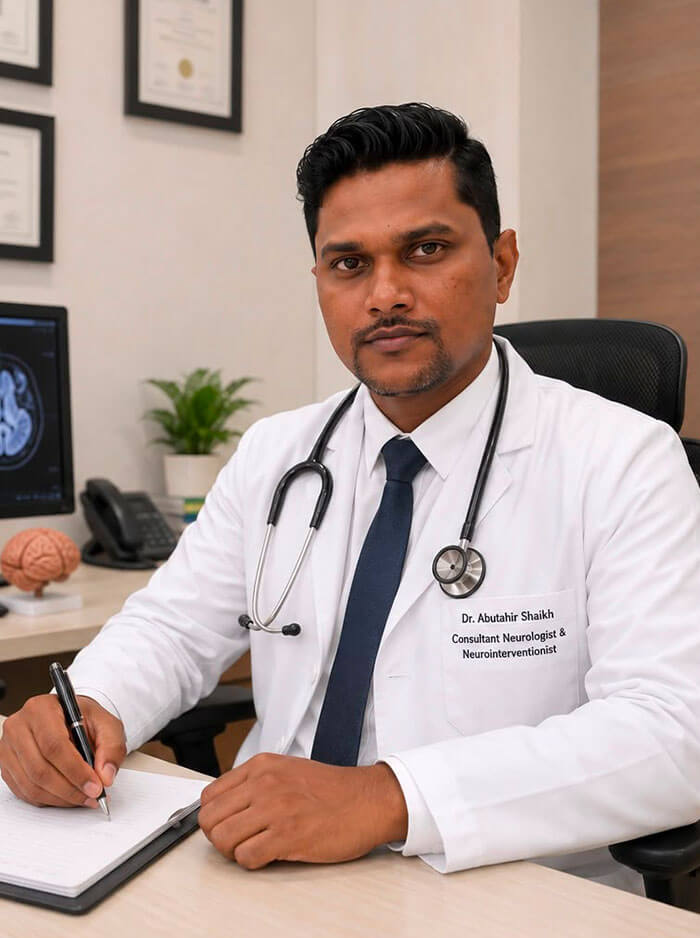
MBBS (KEMH), MD Medicine (LTMMC)
DM Neurology (AIMS, New Delhi), FINR (Stroke & Neurointervention)
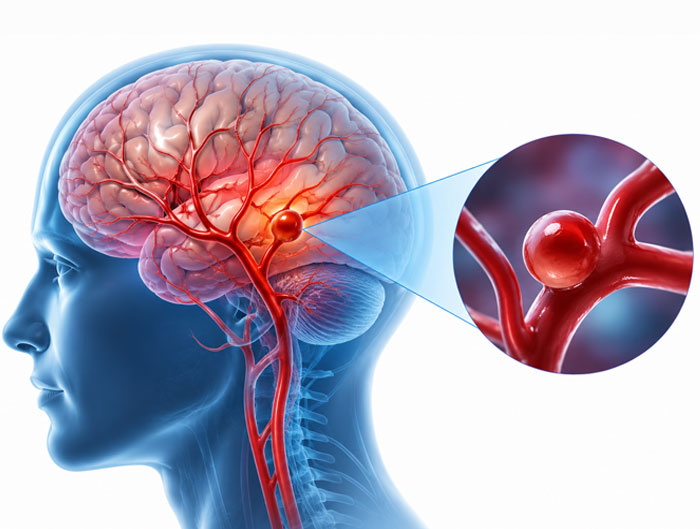
Brain aneurysms and arteriovenous malformations (AVMs) are conditions that affect the blood vessels of the brain. A brain aneurysm is a weak or bulging area in a blood vessel, while an AVM is an abnormal connection between arteries and veins. Some may cause no symptoms, while others can lead to bleeding in the brain, seizures, headaches, or other neurological problems. Early diagnosis and appropriate treatment are important to reduce the risk of serious complications.
Dr. Abutahir Shaikh specializes in the diagnosis and treatment of complex neurological and cerebrovascular conditions. He provides comprehensive evaluation and advanced neurointerventional care for brain aneurysms, AVMs, and other conditions affecting the blood vessels of the brain.
A brain aneurysm, also called a cerebral or intracranial aneurysm, is a weak area in the wall of a blood vessel in the brain that becomes enlarged or balloon-shaped. Many brain aneurysms may not cause symptoms and can sometimes be discovered during brain imaging performed for another reason.
If an aneurysm leaks or ruptures, it can cause bleeding around the brain, known as a subarachnoid hemorrhage. A ruptured brain aneurysm is a medical emergency and requires immediate treatment.
A brain arteriovenous malformation (AVM) is an abnormal network of blood vessels in which arteries connect directly to veins without the normal network of small blood vessels called capillaries in between.
Some brain AVMs may not cause symptoms and can be discovered during imaging tests. However, an AVM can sometimes bleed or cause symptoms such as seizures, headaches, weakness, numbness, vision problems, or difficulty speaking and walking.
An unruptured brain aneurysm may not cause noticeable symptoms. When symptoms occur, they may depend on the size and location of the aneurysm. A ruptured aneurysm can cause sudden and severe symptoms.
A sudden, severe headache or other symptoms suggesting a ruptured aneurysm require immediate emergency medical attention.
Brain AVMs may remain silent for years and may sometimes be discovered incidentally. When symptoms occur, they can include:
Accurate diagnosis helps doctors understand the size, location, structure, and blood flow pattern of an aneurysm or AVM. Depending on the patient's symptoms and condition, diagnostic tests may include:
Cerebral angiography or DSA can provide detailed information about the blood vessels supplying and draining an AVM and can help in planning appropriate treatment. CT angiography and MR angiography can also help identify and assess brain aneurysms.
Treatment for a brain aneurysm depends on factors such as its size, location, shape, whether it has ruptured, the patient's age and overall health, and the estimated risk of future rupture. Treatment options may include monitoring, surgical treatment, or endovascular procedures.
Treatment of a brain AVM depends on its size, location, blood vessel pattern, symptoms, previous bleeding, and the overall health of the patient. Some AVMs may be monitored, while others may require active treatment to reduce the risk of bleeding or manage symptoms.
Depending on the individual case, treatment options may include:
Endovascular treatment is a minimally invasive approach that uses a thin catheter to reach the blood vessels of the brain. Depending on the condition, different devices or treatment materials may be used to block abnormal blood flow, treat an aneurysm, or reduce blood flow through an AVM.
The choice of procedure depends on the patient's condition and detailed brain and blood vessel imaging. A neurointerventional specialist evaluates each case to determine the most appropriate treatment approach.
Recovery after treatment for a brain aneurysm or AVM varies from patient to patient. Patients may require regular neurological follow-up and brain imaging to monitor the treated area and overall brain health.
Patients recovering after brain bleeding, seizures, weakness, speech problems, or other neurological complications may also require rehabilitation and supportive care based on their individual needs.
Sudden and severe headache, loss of consciousness, seizures, sudden weakness or numbness, difficulty speaking, vision loss, or other sudden neurological symptoms can indicate brain bleeding or another serious neurological emergency.
Do not ignore these symptoms or wait for them to improve. Immediate emergency medical evaluation is essential when a brain aneurysm rupture, AVM bleeding, or stroke is suspected.
If you have been diagnosed with a brain aneurysm or AVM, or have symptoms that require neurological evaluation, timely consultation can help determine the appropriate diagnostic and treatment plan.
Consult Dr. Abutahir Shaikh for expert evaluation and advanced neurointerventional treatment for brain aneurysms, brain AVMs, and other cerebrovascular conditions.
Find answers to common questions about brain aneurysms, AVMs, symptoms, diagnosis, and treatment.

