

MedDoctors are a Medical and Health Department Provider Institutions. Suitable For Healthcare, Medical, Doctor, Dental, Dentist, Pharmacy, Health and any Related Medical Care Field.
14D Street Brooklyn,
New York.


MBBS (KEMH), MD Medicine (LTMMC)
DM Neurology (AIMS, New Delhi), FINR (Stroke & Neurointervention)
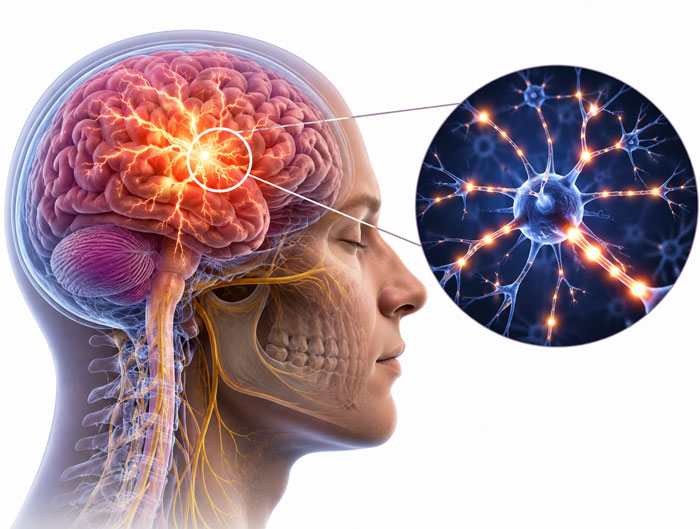
Epilepsy is a neurological condition that causes repeated seizures due to abnormal electrical activity in the brain. Seizures can affect movement, awareness, behaviour, speech, sensation, or consciousness. Epilepsy can affect people of any age, and the type and severity of seizures can vary from person to person. Accurate diagnosis and appropriate treatment can help control seizures and improve quality of life.
Epilepsy is a disorder of the brain in which a person has a tendency to experience recurrent seizures. A seizure occurs when there is a sudden burst of abnormal electrical activity in the brain.
Seizures do not always involve shaking or loss of consciousness. Depending on the area of the brain involved, a seizure may cause staring, unusual sensations, temporary confusion, repetitive movements, changes in behaviour, muscle jerking, or loss of awareness.
A single seizure does not necessarily mean that a person has epilepsy. A neurologist evaluates the patient's symptoms, medical history, examination findings, and test results before making a diagnosis.
Seizure symptoms can look very different depending on where abnormal electrical activity starts in the brain. Common symptoms may include:
Seizures are broadly classified according to where they begin in the brain and how much of the brain is involved. Some common seizure types include:
Epilepsy can have many possible causes. In some people, the exact cause cannot be identified. Possible causes and contributing factors include:
Diagnosing epilepsy involves understanding exactly what happens during a seizure and identifying whether there is an underlying cause. A detailed neurological evaluation is an important part of the diagnosis.
Depending on the patient's symptoms, the evaluation may include:
EEG records the electrical activity of the brain and can help identify abnormal brain-wave patterns associated with seizures. MRI and other brain imaging tests can help identify structural changes that may be causing seizures.
An electroencephalogram, commonly called an EEG, is one of the important tests used when evaluating epilepsy. Small electrodes placed on the scalp record the brain's electrical activity.
An EEG may help identify abnormal electrical patterns and can provide information about the type of seizures a patient may have. In some cases, prolonged or video EEG monitoring may be recommended to record and study seizure episodes more closely.
The main goal of epilepsy treatment is to control seizures while minimizing treatment-related side effects. The choice of treatment depends on the type of epilepsy, seizure frequency, age, overall health, and the underlying cause.
Treatment may include:
Many people with epilepsy can achieve good seizure control with appropriate anti-seizure medication. When seizures continue despite suitable medicines, a specialist epilepsy evaluation may be needed to explore other treatment options.
Drug-resistant epilepsy, also called refractory epilepsy, refers to epilepsy in which seizures continue despite appropriate treatment with suitable anti-seizure medicines.
Patients with uncontrolled seizures may benefit from evaluation at a specialized epilepsy centre. Detailed testing can help determine where seizures begin and whether surgery or another advanced treatment may be appropriate.
When seizures are difficult to control, additional tests may be performed to identify exactly where the seizures begin in the brain. This information can help specialists determine the most suitable treatment approach.
These investigations can help identify the seizure focus and support treatment planning, particularly when epilepsy surgery is being considered.
Surgery may be considered for selected patients whose seizures remain uncontrolled despite appropriate medication, particularly when the area of the brain where seizures begin can be identified and safely treated.
Depending on the type and location of epilepsy, advanced treatment options may include removal of the seizure-producing area, disconnection procedures, or implanted stimulation therapies. These treatments are considered only after detailed evaluation by an epilepsy team.
If someone is having a seizure, stay calm and help keep the person safe. Make the person lie on lateral decubitus position. Move nearby objects away, protect the person's head if possible, and stay with them until the seizure ends. Do not force anything into the person's mouth and do not try to restrain their movements.
Emergency medical help should be sought if the seizure lasts more than five minutes, another seizure starts soon after the first one, the person has difficulty breathing or waking up, the seizure occurs in water, or the person is injured or pregnant.
Epilepsy management involves more than taking medicines. Regular follow-up, taking prescribed medication consistently, maintaining healthy sleep habits, and identifying personal seizure triggers can support better seizure control.
Keeping a seizure diary can also help patients and doctors understand seizure frequency, duration, possible triggers, and response to treatment.
You should consult a neurologist if you have experienced an unexplained seizure, repeated episodes of loss of awareness, unusual movements, unexplained blackouts, staring spells, or other symptoms that may indicate abnormal brain activity.
Early neurological evaluation can help identify the cause of seizures and determine whether treatment or further testing is required.
Epilepsy affects each person differently, so treatment should be tailored to the individual's seizure type, medical history, test results, and lifestyle needs.
Consult Dr. Abutahir Shaikh for expert neurological evaluation, epilepsy diagnosis, seizure management, treatment planning, and long-term follow-up.
Find answers to common questions about epilepsy, seizures, diagnosis, treatment, and long-term management.

