

MedDoctors are a Medical and Health Department Provider Institutions. Suitable For Healthcare, Medical, Doctor, Dental, Dentist, Pharmacy, Health and any Related Medical Care Field.
14D Street Brooklyn,
New York.


MBBS (KEMH), MD Medicine (LTMMC)
DM Neurology (AIMS, New Delhi), FINR (Stroke & Neurointervention)
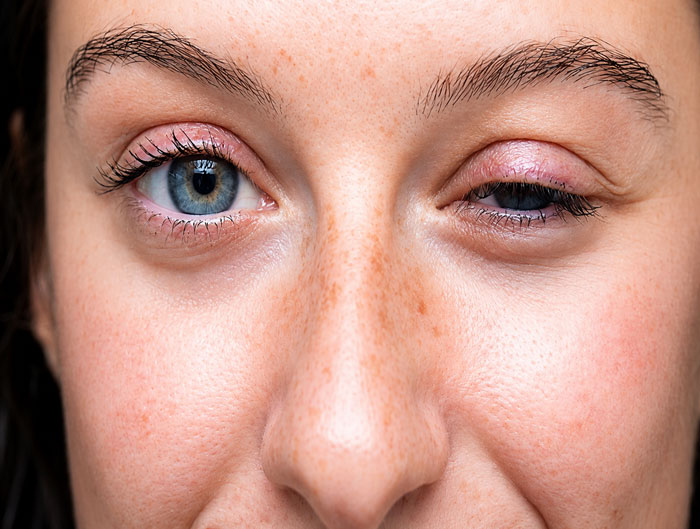
Myasthenia gravis is a chronic autoimmune neuromuscular disorder that causes weakness of voluntary muscles. The weakness typically becomes worse with activity and improves with rest. It may affect the eyes, face, throat, arms, legs, and muscles involved in breathing.
Myasthenia gravis is an autoimmune condition in which the communication between nerves and muscles is disrupted. This prevents muscles from receiving normal signals and results in fluctuating muscle weakness.
Muscle weakness commonly becomes more noticeable after repeated or prolonged activity and may improve after adequate rest. The condition can affect different muscle groups and its symptoms can vary from person to person.
Symptoms depend on the muscles involved and may fluctuate throughout the day. Common symptoms include:
In more severe cases, myasthenia gravis can affect the muscles responsible for breathing and may require urgent medical attention.
Myasthenia gravis occurs when the immune system mistakenly interferes with communication between nerves and muscles. Antibodies may block or damage proteins involved in normal muscle activation.
Myasthenia gravis is not caused by simple muscle weakness or lack of physical fitness. It results from an abnormal immune response affecting communication between nerves and muscles.
Ocular myasthenia gravis mainly affects the muscles responsible for eye movement and eyelid control. Drooping eyelids and double vision are common symptoms.
In some patients, weakness remains limited to the eye muscles, while others may later develop weakness involving facial, swallowing, neck, arm, or leg muscles. Neurological evaluation helps determine the pattern of disease.
Generalized myasthenia gravis affects muscle groups beyond the eyes. Weakness may involve the face, throat, neck, arms, legs, and muscles involved in breathing.
Symptoms may fluctuate and can become more noticeable after prolonged activity. The severity and distribution of weakness can vary between patients and over time.
A characteristic feature of myasthenia gravis is fatigable muscle weakness. A person may initially perform an activity normally but develop increasing weakness after repeated use.
Symptoms may improve after rest but return when the affected muscles are used again. This pattern can help the neurologist distinguish myasthenia gravis from other causes of weakness.
Diagnosis begins with a detailed medical history and neurological examination. The doctor evaluates muscle strength, eye movements, eyelid position, facial movements, speech, swallowing, and other neurological functions.
Depending on the symptoms, investigations may include:
Some patients may have myasthenia gravis even when commonly tested antibodies are not detected. The diagnosis is therefore based on the overall clinical picture and appropriate neurological investigations.
Repetitive nerve stimulation is a specialized nerve conduction test used to assess communication between nerves and muscles. The nerve is stimulated repeatedly while the electrical response of the muscle is recorded.
A reduction in the muscle response with repeated stimulation may provide supportive evidence of a disorder affecting neuromuscular transmission, including myasthenia gravis.
Treatment is individualized according to the patient's age, symptoms, disease severity, antibody status, overall health, and response to previous treatment. The main goals are to improve muscle strength, control symptoms, reduce disease activity, and prevent complications.
Depending on the patient's condition, treatment may include:
The treatment plan is adjusted according to disease activity, treatment response, side effects, and the patient's individual needs.
The thymus gland plays an important role in the immune system and may be abnormal in some people with myasthenia gravis. Imaging may be performed to check for thymic enlargement or a thymoma.
Surgical removal of the thymus, known as thymectomy, is recommended for patients with a thymoma and may be considered in selected patients with generalized myasthenia gravis. The decision depends on the patient's clinical condition and specialist evaluation.
Managing activity and allowing adequate rest can help patients cope with fluctuating muscle weakness. Activities should be planned around periods when the patient generally has better strength.
Weakness of the muscles involved in chewing and swallowing can occur in myasthenia gravis. Patients may experience difficulty chewing, swallowing, speaking, or controlling food and liquids.
Significant swallowing difficulties should be evaluated promptly because they can increase the risk of choking and aspiration. Treatment and dietary adjustments may be recommended according to the patient's condition.
Myasthenic crisis is a serious complication in which weakness affects the muscles needed for breathing. It can result in severe breathing difficulty and requires immediate medical attention.
Severe or rapidly worsening difficulty breathing, swallowing, speaking, or holding up the head should be treated as an emergency. Hospital-based treatment may include respiratory support and therapies such as intravenous immunoglobulin or plasma exchange when clinically appropriate.
Although there is currently no single permanent cure for myasthenia gravis, available treatments can control symptoms and improve muscle strength in many patients. The condition may fluctuate over time, so ongoing medical supervision is important.
With appropriate diagnosis, treatment, monitoring, and lifestyle adjustments, many patients are able to manage their symptoms and maintain their daily activities.
Persistent or fluctuating drooping of the eyelids, double vision, unexplained muscle weakness, difficulty chewing or swallowing, changes in speech, or weakness that worsens with activity should be evaluated by a neurologist.
Early neurological assessment can help identify myasthenia gravis and other neuromuscular disorders and guide appropriate testing and treatment.
Myasthenia gravis can affect different muscle groups and vary significantly from one patient to another. Accurate diagnosis and regular monitoring are important for selecting the right treatment approach and managing changes in symptoms.
Consult Dr. Abutahir Shaikh for expert neurological evaluation, myasthenia gravis diagnosis, personalized treatment, and long-term management of neuromuscular disorders.
Find answers to common questions about myasthenia gravis, symptoms, diagnosis, treatment, and muscle weakness.

