

MedDoctors are a Medical and Health Department Provider Institutions. Suitable For Healthcare, Medical, Doctor, Dental, Dentist, Pharmacy, Health and any Related Medical Care Field.
14D Street Brooklyn,
New York.

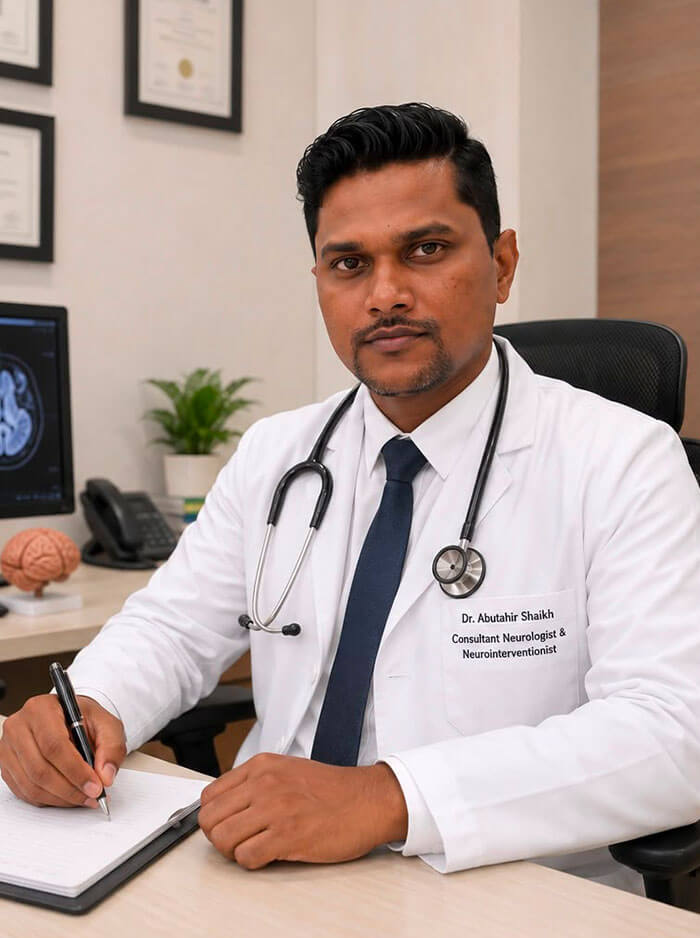
MBBS (KEMH), MD Medicine (LTMMC)
DM Neurology (AIMS, New Delhi), FINR (Stroke & Neurointervention)
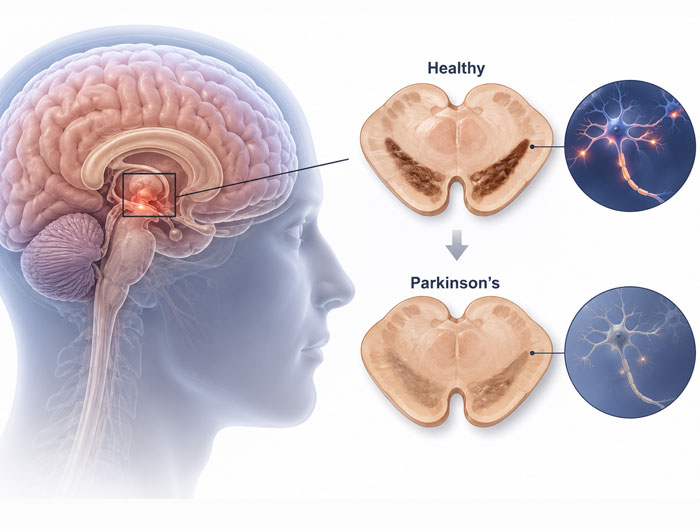
Parkinson’s disease is a progressive neurological disorder affecting movement due to a gradual loss of dopamine-producing brain cells. Decreased dopamine levels lead to tremors, muscle stiffness, slowness of movement, and balance difficulties. Early diagnosis and tailored treatment help manage symptoms, improve mobility, and support daily independence.
Parkinson’s disease is a nervous system disorder that primarily affects motor function. It develops gradually over time and can cause both physical movement symptoms and non-movement symptoms.
The condition occurs when nerve cells in the brain's substantia nigra region deteriorate, reducing dopamine production. Because dopamine acts as a key messenger for smooth muscle coordination, its depletion leads to motor control challenges.
Parkinson’s symptoms usually appear gradually and can vary between individuals, often starting on one side of the body. Key motor symptoms include:
Parkinson’s disease also causes non-motor symptoms, which can sometimes appear years before physical movement issues are noticed:
The exact cause of Parkinson’s disease remains unknown, though research suggests it stems from a combination of genetic susceptibility, environmental factors, and natural aging process changes.
Most cases are sporadic, meaning they occur without a single identifiable cause. In rare instances, specific inherited genetic variations increase the risk within families.
No single laboratory test or brain scan can definitively diagnose Parkinson’s disease. Diagnosis relies on a careful evaluation of symptoms, medical history, clinical examination, and treatment response.
A thorough neurological evaluation includes:
Although there is currently no cure, effective treatments help manage symptoms, minimize motor fluctuations, and preserve daily functioning. Therapy is customized based on symptom severity, age, active lifestyle, and individual medication tolerance.
Management strategies include:
Tremor, muscle stiffness, and slowness (bradykinesia) are core motor symptoms. Dopaminergic medications help restore balance to brain chemistry, while targeted exercises improve flexibility, strength, and movement control.
Because symptoms change as the condition progresses, medication plans are periodically reviewed and fine-tuned to maintain optimal control and reduce medication-related side effects.
Physical therapy and routine physical activity are essential for managing Parkinson’s. A structured rehabilitation program improves stride length, reinforces balance, and keeps muscles strong and flexible.
Rehabilitation plans typically feature:
As the disease advances, some patients develop medication "off" periods or involuntary movements (dyskinesia). In these situations, advanced medical strategies may be evaluated after a detailed neurological review.
Advanced interventions, such as Deep Brain Stimulation (DBS) or pump-delivered therapies, may be considered for carefully selected candidates through a specialized multidisciplinary assessment.
While Parkinson’s is a long-term condition, proactive management enables patients to remain active and independent. Consistent physical activity, proper nutrition, adequate rest, and routine neurological visits form the foundation of long-term care.
Family support, adaptive aids, and lifestyle adjustments play an essential role in helping patients navigate daily tasks and maintain a good quality of life.
Schedule a neurological consultation if you or a family member experience unexplained tremors, slowness in daily activities, muscular stiffness, balance instability, gait changes, or loss of smell.
Early medical assessment helps identify the underlying cause, rule out mimicking conditions, and establish an effective management plan.
Because Parkinson’s affects every person differently, treatment plans must be tailored to address individual motor symptoms, non-motor needs, medication schedules, and long-term health goals.
Consult Dr. Abutahir Shaikh for expert neurological evaluation, Parkinson’s treatment, movement disorder management, and long-term care.
Find answers to common questions about Parkinson’s disease, symptoms, diagnosis, treatment, and long-term management.

