

MedDoctors are a Medical and Health Department Provider Institutions. Suitable For Healthcare, Medical, Doctor, Dental, Dentist, Pharmacy, Health and any Related Medical Care Field.
14D Street Brooklyn,
New York.


MBBS (KEMH), MD Medicine (LTMMC)
DM Neurology (AIMS, New Delhi), FINR (Stroke & Neurointervention)
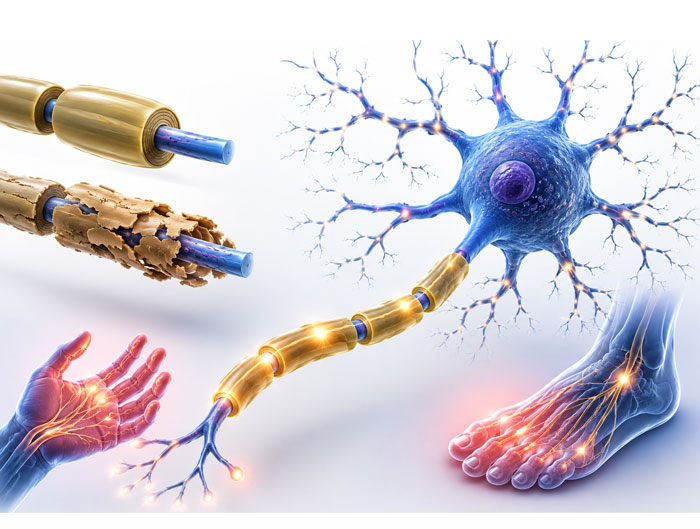
Peripheral neuropathy is a condition caused by damage or dysfunction of the nerves outside the brain and spinal cord. It commonly affects the hands and feet and may cause numbness, tingling, burning pain, weakness, or changes in sensation. Early diagnosis can help identify the underlying cause and guide appropriate treatment.
Peripheral neuropathy occurs when nerves outside the brain and spinal cord become damaged or do not function properly. These nerves carry signals between the central nervous system and the rest of the body.
Depending on the nerves affected, peripheral neuropathy can cause changes in sensation, muscle strength, movement, or automatic body functions. Symptoms commonly begin in the hands or feet and may gradually progress.
Symptoms of peripheral neuropathy can vary depending on the nerves affected and the underlying cause. Common symptoms include:
If autonomic nerves are affected, peripheral neuropathy can also cause problems with sweating, blood pressure, digestion, bladder function, or other automatic body functions.
Peripheral neuropathy can develop due to several medical conditions, nutritional deficiencies, medications, injuries, infections, or inherited disorders. Identifying the underlying cause is an important part of diagnosis and treatment.
Diabetes and metabolic conditions are among the common causes of peripheral neuropathy, but many other medical conditions can also affect peripheral nerves.
Diabetes can damage peripheral nerves over time, particularly when blood sugar levels remain high. Diabetic peripheral neuropathy commonly begins in the feet and legs and may later affect the hands and arms.
Symptoms may include burning, tingling, numbness, sharp pain, muscle weakness, or reduced ability to feel injuries and changes in temperature. Good diabetes management and regular medical evaluation are important for reducing the risk of nerve-related complications.
Peripheral neuropathy can affect different types of nerves and may present in different patterns. Common types include:
Diagnosis begins with a detailed medical history and neurological examination. The doctor evaluates the location, duration, progression, and severity of symptoms and looks for possible underlying causes.
Depending on the symptoms and clinical findings, investigations may include:
EMG and nerve conduction studies can help assess how well the nerves and muscles are functioning and provide useful information about the location and type of nerve involvement.
Electromyography (EMG) and nerve conduction studies are commonly used to evaluate peripheral nerve and muscle function. A nerve conduction study measures how electrical signals travel through nerves, while EMG evaluates electrical activity in muscles.
These tests can help determine whether symptoms are related to peripheral nerve damage, nerve compression, or certain muscle disorders and can assist in planning appropriate treatment.
Treatment depends on the underlying cause, type of neuropathy, severity of symptoms, and overall health of the patient. The main goals are to treat the underlying condition, manage nerve pain and other symptoms, protect nerve function, and improve daily activities.
Depending on the patient's condition, treatment may include:
Treatment is individualized because the appropriate approach depends on the underlying cause and type of nerve involvement.
Neuropathic pain may feel burning, electric, stabbing, shooting, or unusually sensitive to touch. It can interfere with sleep, walking, work, and daily activities.
Depending on the cause and severity, doctors may use specific medicines for nerve pain along with physical therapy, lifestyle measures, and treatment of the underlying condition.
Reduced sensation can make it difficult to notice cuts, burns, blisters, or other injuries. This is particularly important for people with diabetes and significant peripheral neuropathy.
Recovery depends on the underlying cause and extent of nerve damage. Some forms of peripheral neuropathy may improve when the underlying cause is identified and treated, while other types may require long-term symptom management.
Early evaluation is important because identifying a treatable cause may help prevent further nerve damage and improve symptom control.
Persistent numbness, tingling, burning pain, weakness, balance problems, or changes in sensation should not be ignored. Neurological evaluation can help determine whether the symptoms are caused by peripheral neuropathy, nerve compression, or another neurological condition.
Early diagnosis and treatment can help identify the underlying cause, manage symptoms, and reduce the risk of further nerve damage.
Peripheral neuropathy can have many different causes and may affect each person differently. Accurate diagnosis helps identify the underlying problem and allows treatment to be tailored to the patient's symptoms and neurological condition.
Consult Dr. Abutahir Shaikh for expert neurological evaluation, peripheral neuropathy diagnosis, neuropathic pain management, and long-term treatment of peripheral nerve disorders.
Find answers to common questions about peripheral neuropathy, nerve pain, symptoms, diagnosis, and treatment.

