

MedDoctors are a Medical and Health Department Provider Institutions. Suitable For Healthcare, Medical, Doctor, Dental, Dentist, Pharmacy, Health and any Related Medical Care Field.
14D Street Brooklyn,
New York.


MBBS (KEMH), MD Medicine (LTMMC)
DM Neurology (AIMS, New Delhi), FINR (Stroke & Neurointervention)
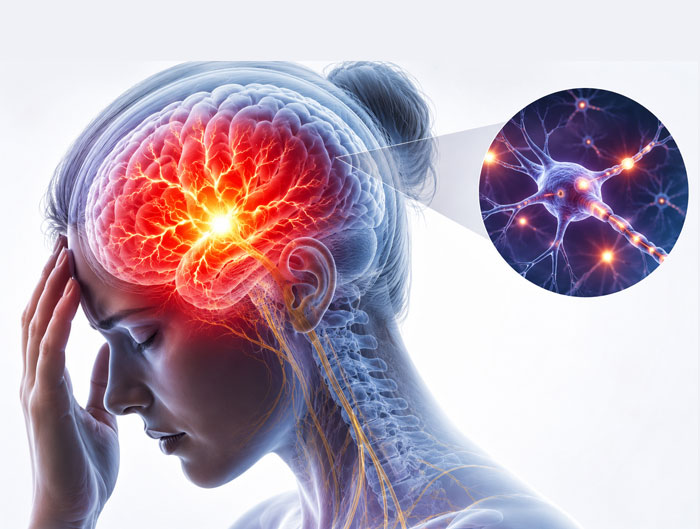
Migraine and other headache disorders are common neurological conditions that can cause recurring or persistent head pain. Headaches may be associated with nausea, vomiting, sensitivity to light or sound, visual symptoms, or other neurological features. Accurate diagnosis helps identify the type of headache and guide appropriate treatment and prevention.
Headache disorders can vary widely in their symptoms, frequency, duration, and underlying causes. Migraine is one of the most common neurological headache disorders and may cause moderate to severe headaches along with symptoms such as nausea, sensitivity to light, and sensitivity to sound.
Other headache disorders may include tension-type headaches, cluster headaches, medication-overuse headaches, and headaches associated with other medical or neurological conditions. Identifying the specific type of headache is important for selecting the right treatment approach.
Headache symptoms can differ depending on the type of disorder. Common symptoms may include:
Some people with migraine experience neurological symptoms called aura before or during a headache. Aura symptoms usually develop gradually and are temporary. They may affect vision, sensation, or speech.
New, sudden, or unusual neurological symptoms should be medically evaluated because some symptoms can resemble those of a stroke or another neurological condition.
Headache disorders can have different patterns and causes. Identifying the specific type helps the neurologist plan appropriate treatment and preventive care.
Headache triggers can vary from person to person. Recognizing individual triggers may help reduce the frequency or severity of headache episodes. Common triggers may include:
Diagnosis is mainly based on the patient's symptoms, headache pattern, medical history, and neurological examination. Understanding when headaches occur, how long they last, and what symptoms accompany them can help identify the type of headache disorder.
During a neurological consultation, the doctor may assess:
Most people with a typical headache pattern and a normal neurological examination may not require routine brain imaging. However, MRI or CT imaging may be recommended when the headache has unusual features or when another underlying condition needs to be ruled out.
Brain imaging may be considered when there is a new or changing headache pattern, sudden severe headache, abnormal neurological examination, new neurological symptoms, or other concerning features identified during evaluation.
Treatment depends on the type of headache, frequency of attacks, severity of symptoms, possible triggers, and the patient's overall health. Treatment may focus on controlling an acute headache, preventing future attacks, and managing contributing factors.
Depending on the patient's condition, treatment may include:
Preventive treatment may be recommended when headaches are frequent, severe, prolonged, or significantly interfere with work, sleep, and daily activities.
Depending on the type of headache and individual condition, preventive treatment may include prescription medicines, migraine-specific therapies, lifestyle measures, and other specialist-recommended treatments.
The goal of preventive treatment is to reduce headache frequency and severity while improving the patient's ability to carry out normal daily activities.
Healthy lifestyle habits can support the management of migraine and other headache disorders. Maintaining regular routines and identifying personal triggers can be helpful.
Chronic headaches can occur frequently over an extended period and may have a significant impact on work, sleep, family life, and emotional well-being.
Frequent or difficult-to-control headaches should be evaluated by a neurologist to determine the underlying headache pattern and whether preventive treatment may be appropriate.
You should consider neurological evaluation if headaches are frequent, severe, worsening over time, affecting daily activities, changing in pattern, or not responding adequately to usual treatment.
A sudden, extremely severe headache, especially when it reaches maximum intensity very quickly or occurs with weakness, speech difficulty, confusion, loss of consciousness, seizures, fever, or vision loss, requires immediate emergency medical attention.
Migraine and other headache disorders can affect each person differently. Accurate diagnosis and an individualized treatment plan can help manage symptoms, reduce headache frequency, and improve quality of life.
Consult Dr. Abutahir Shaikh for expert evaluation, diagnosis, treatment, prevention, and long-term management of migraine and other headache disorders.
Find answers to common questions about migraine and other headache disorders, symptoms, triggers, diagnosis, treatment, and prevention.

